One Health: The Simple Truth About People, Animals and Nature
The health of people, animals and the environment is connected. A plain-language guide to One Health, with lessons from Kenya and my time with UNEP Nature for Health.
October 28, 2026
Isaac Lemayian1 min read
Share
Think about the last disease you heard came from animals. Maybe it was COVID-19, Ebola or bird flu. Or maybe it was closer to home: a neighbour’s dog that was never vaccinated against rabies. Each of these is a One Health story, even if nobody called it that.
Here is the number that changed how I see health. About 60% of the infectious diseases we know in people come from animals. For new diseases, it is closer to 75%. Once you know that, you cannot think about human health on its own any more.
What is One Health?
One Health is a simple idea: the health of people, animals and the environment is connected. So you cannot fully protect one without caring for the other two.
In practice, it means doctors, vets, farmers, environmental experts and communities working together, because the problems they deal with are linked. It is also the shared definition that WHO, UNEP and their partners now work from.
I trained in Chemistry and Biology. Even so, for a long time I thought of health as something that happens in hospitals. My time at UNEP, working with the Nature for Health team, changed that. I learned that health also happens in forests, on farms, in markets and in rivers.
One Health in everyday life
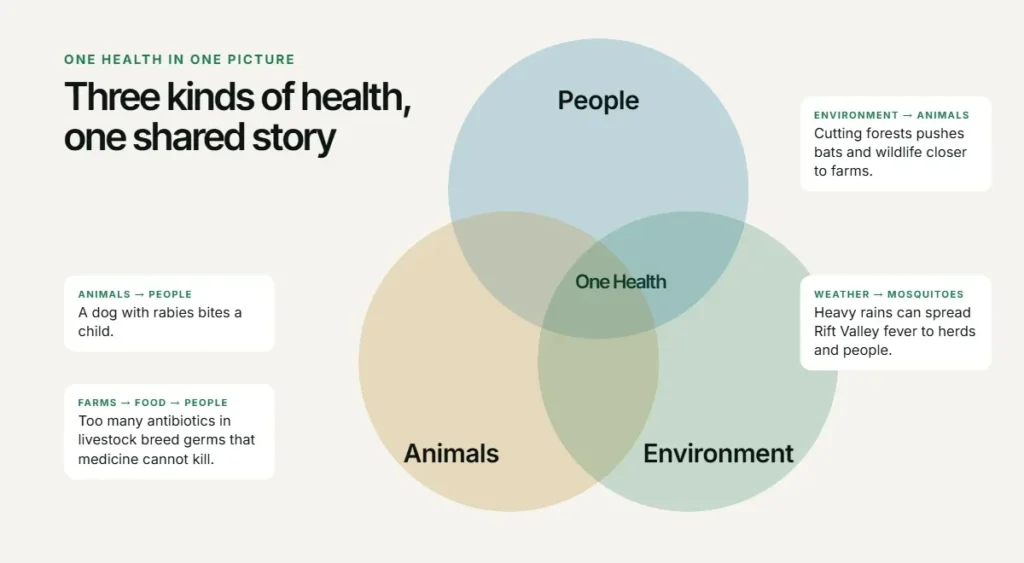
One Health: when people, animals and the environment overlap, so do their health risks.
The easiest way to understand it is through ordinary examples:
Animals to people. A dog with rabies bites a child. So vaccinating the dog also protects the child.
Farms to food to people. When livestock get too many antibiotics, germs learn to survive them. Those germs then reach people through food, water and contact. As a result, our medicines stop working.
Environment to animals. When forests are cut down, bats and other wildlife lose their homes. Because of this, they move closer to farms and villages, and so do the germs they carry.
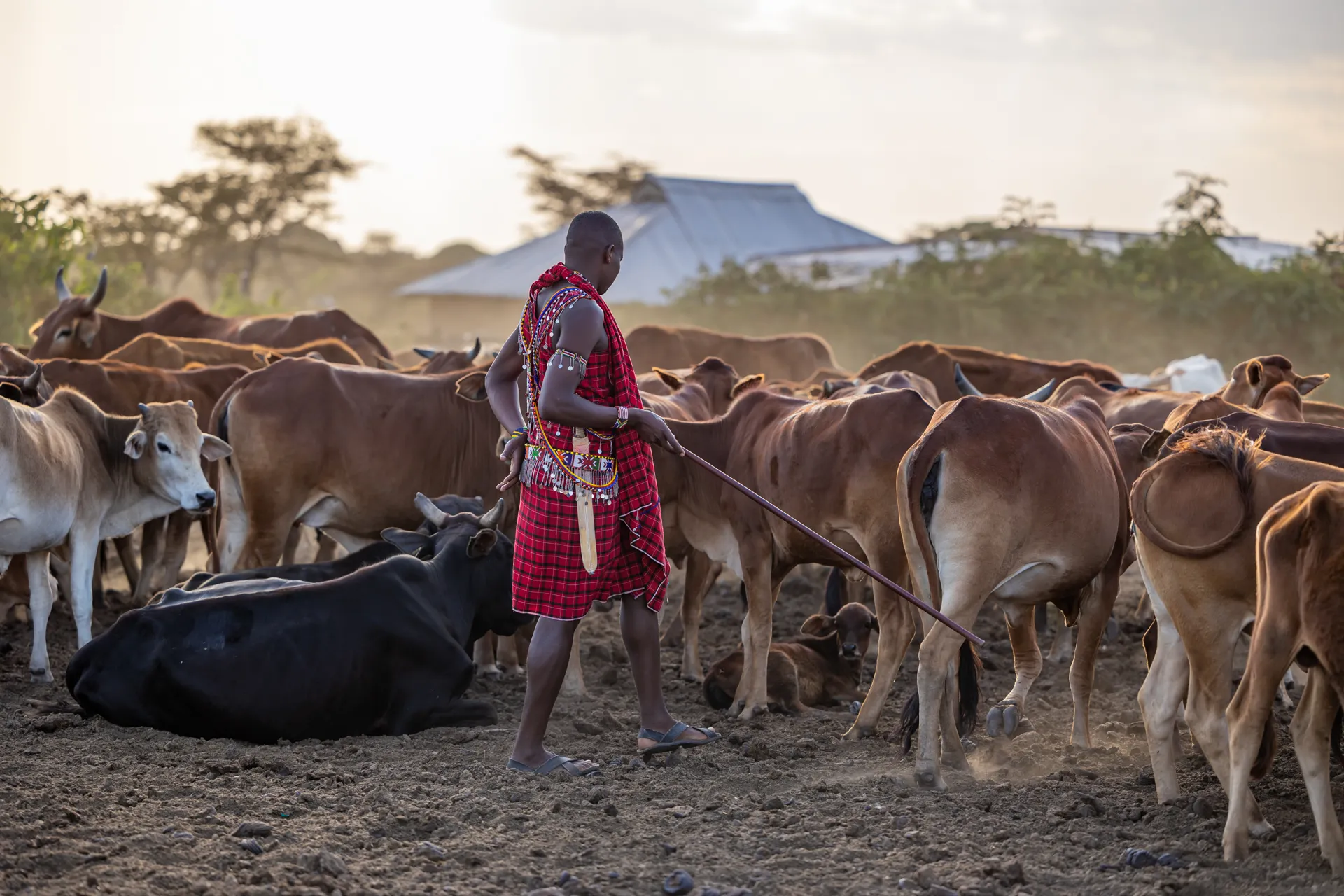
Weather to mosquitoes. Heavy rains and floods help mosquitoes multiply. In Kenya, this can spread Rift Valley fever to cattle, goats and the people who keep them.
In each case, a problem that starts in one place ends up somewhere else. One Health simply means we stop treating these problems one at a time.
Why diseases jump from animals to people
Diseases rarely jump on their own. Usually, we open the door. When UNEP and ILRI looked at the causes in 2020, almost every one came back to how we use nature:
Rising demand for meat, milk and eggs
More intensive farming
Wildlife trade
Clearing forests and land
Climate change
That is the uncomfortable truth. Many of the diseases we fear are, at least partly, of our own making. However, it also means we can do something about them.
How Kenya does One Health
Kenya has been ahead of many countries here. In 2012, the health and livestock ministries set up a shared Zoonotic Disease Unit. A doctor who tracks disease in people and a vet who tracks disease in animals sit in the same office and share what they see. That sounds obvious. Yet for a long time, it was not how governments worked.
It matters because diseases do not care which ministry is in charge. Rift Valley fever, rabies and anthrax all move between animals and people. When the two teams talk early, outbreaks are spotted sooner and handled better.
What I learned at Nature for Health
During my internship at UNEP, I worked with Nature for Health, a global initiative that tries to prevent pandemics by protecting nature. Most health programmes start at the clinic. This one starts much earlier, in the forests, wetlands and farms where new diseases first appear.
It brings together UNEP, WHO, UNDP, the World Organisation for Animal Health and other partners. It also works directly with countries, including Kenya, Ghana, Rwanda, Ecuador, Mongolia and Vietnam, and its secretariat sits right here in Nairobi.
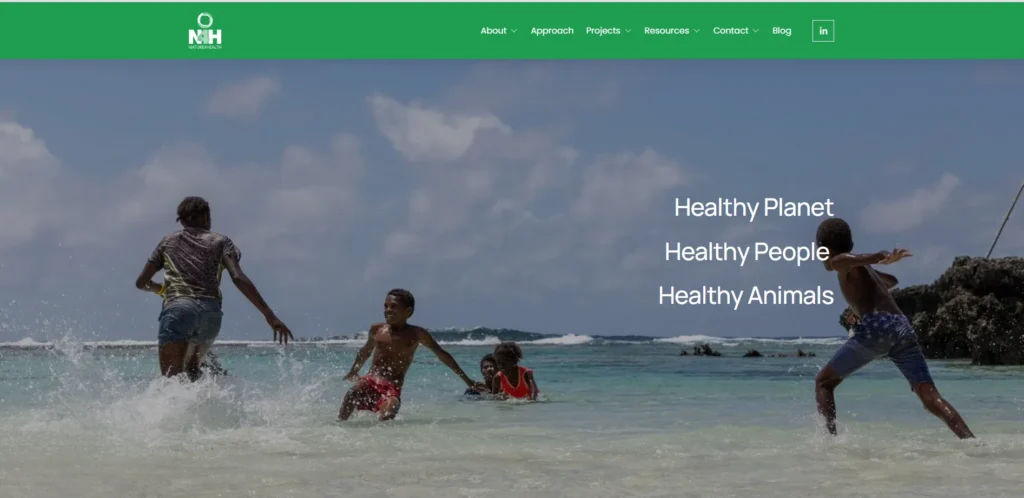
Nature4health Website
My part was on the knowledge and communication side. I helped tell this work online, from country pages to knowledge resources. As a result, I came away believing something I still hold: good prevention needs good information. A health officer in Ghana should be able to learn from a forest officer in Vietnam, and that only happens when knowledge is shared well.
One line from their work has stayed with me:
Investment in nature and ecosystems is investment in human well-being.
When a pandemic hits, the world spends huge amounts on hospitals, vaccines and recovery. Meanwhile, lives are lost and economies stall. Prevention is quieter. It looks like protecting a forest, testing animals at a market, or training a vet in a rural county. Of course, it rarely makes the news. But it is far cheaper than a crisis.
One Health asks us to invest before the emergency, not after.
What One Health means for you
You do not need to be a scientist to practise One Health. However, small habits help a lot:
Vaccinate your pets and livestock. Rabies vaccination for dogs is one of the most effective ways to protect children.
Use antibiotics wisely. Take them only as prescribed. For animals, use them under a vet’s advice.
Wash your hands after handling animals, and cook meat and eggs well.
Report sick or dead animals to your local veterinary or public health officer.
Care for the land around you. Trees, wetlands and rivers protect us more than we notice.
Old wisdom, new name
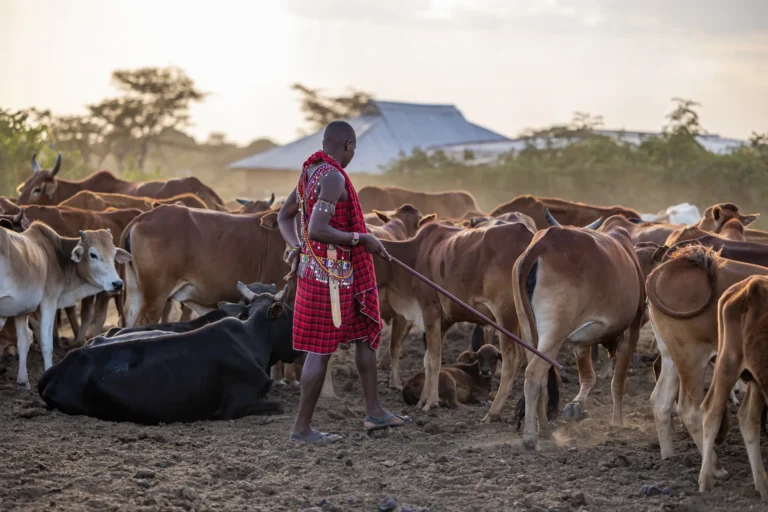
In many ways, One Health is not new. Pastoralists and farmers have always known that a sick herd means a hungry home, and that a dry river affects everyone. What is new, however, is getting ministries, scientists and communities to act on that wisdom together.
That is also why One Health sits at the heart of the Sustainable Development Goals, especially good health (SDG 3) and life on land (SDG 15). You can see how my own work connects to the goals on my global goals page.
If you work on any side of this, human, animal or environmental health, I would love to compare notes. You can get in touch here.
A letter from Nairobi in 2026, to grandchildren who may grow up among the stars, about the planet we had,...
Let’s talk
Ideas are better shared.
If this piece sparked a thought, a question or a disagreement, I’d love to hear it. I am open to conversations around sustainable development, knowledge and digital innovation.